Commercial gardeners for Camberwell offices and shops
If you manage an office, retail unit, cafe frontage or small commercial courtyard in Camberwell, the outside space quietly does a lot of work for you. It shapes first impressions, affects day-to-day safety, and can even influence how confident staff and customers feel before they step inside. That is why Commercial gardeners for Camberwell offices and shops are worth thinking about as more than a tidy-up service. Done properly, they help keep entrances welcoming, planting healthy, and the whole site easier to run.
In practice, commercial garden care is about consistency. Not a dramatic makeover every now and then. More the steady, reliable maintenance that stops hedges getting shaggy, lawns turning patchy, leaves piling up near a doorway, or an attractive frontage becoming one of those "we'll deal with it next week" jobs. Let's face it, that week can disappear quickly.
This guide breaks down what commercial gardening involves, how it typically works for Camberwell businesses, what to look for in a provider, and the common mistakes that cost time or money later on. It is written for real-world decision-making, not theory.
Quick takeaway: If your office or shop has any outdoor space at all, regular commercial garden maintenance is usually the simplest way to protect presentation, reduce trip hazards, and avoid last-minute scrambles before opening hours or client visits.
Why Commercial gardeners for Camberwell offices and shops Matters
Commercial gardens are judged differently from private gardens. A business frontage has to look presentable in all seasons, even on wet mornings, even after a windy weekend, even when nobody has had time to "just sweep it up." For offices, the outdoor area often sits beside reception, staff entrances, or parking spaces. For shops, it may be the first thing people notice from the pavement. Either way, it is part of the brand whether you planned it that way or not.
In Camberwell, many business sites sit close to busy streets, foot traffic, and shared access points. That means outdoor spaces collect debris faster than you might expect. A single overgrown hedge can make a shopfront feel closed off. Slippery moss near a threshold can be a nuisance. Shrubs that block sightlines can make an entrance feel cramped and uninviting. Small things. Big effect.
Commercial gardeners bring structure to that problem. They turn "someone should sort this" into a maintained schedule with clear tasks, predictable outcomes, and less disruption for staff. If your business relies on walk-in customers or client visits, that reliability matters more than a one-off flourish.
There is also the reputational side. A neat frontage suggests care, competence, and attention to detail. A neglected one can make people wonder what else is being left unattended. Fair or not, people do judge the outside first.
For businesses looking to align outdoor upkeep with wider property care, it can help to explore the broader services overview and the practical garden maintenance options available for recurring upkeep.
How Commercial gardeners for Camberwell offices and shops Works
Most commercial gardening arrangements start with a site assessment. This is where the gardener looks at what exists already, what needs immediate attention, and what can be maintained on a rota. A good assessment does not just count plants. It considers access, opening hours, waste removal, safety issues, growth patterns, and any awkward areas that are easy to overlook until they become a problem.
From there, the work is usually planned around a schedule. That may be weekly, fortnightly, monthly, or seasonal, depending on the site. A small shopfront with planters and a few shrubs might only need lighter, regular attention. A larger office courtyard with lawn, hedges, and trees may need a more involved programme.
The actual tasks are usually practical rather than glamorous:
- lawn mowing and edging
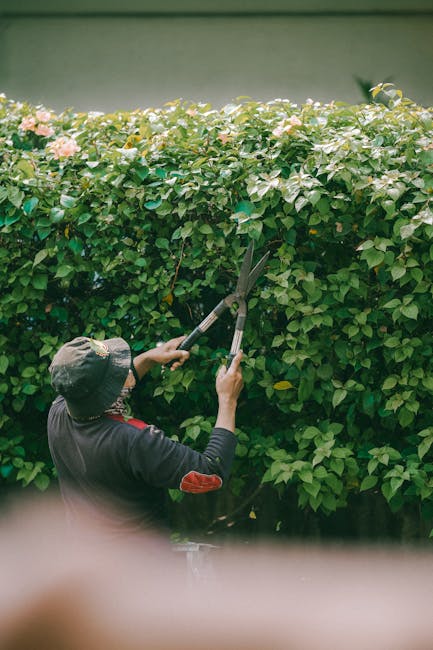
- hedge trimming and shaping
- pruning and light plant care
- weed control in beds, paving joints, and access routes
- leaf clearance and general tidying
- green waste removal
- seasonal planting or refreshes where appropriate
Many businesses also combine garden care with related work. For example, a front courtyard may benefit from lawn mowing in the warmer months, while boundary growth may need regular hedge trimming to keep the line clean and manageable. If the site includes larger structural changes, some clients also look at landscape gardening or wider landscaping support.
For one-off jobs, the process is simpler: assess, quote, carry out the work, clear up properly, and report anything else that needs attention. For ongoing contracts, there is usually a handover rhythm so staff know what is happening and when. That way nobody is surprised by a mower turning up at the wrong time on a Monday morning. Been there, seen the confusion.
Key Benefits and Practical Advantages
The obvious benefit is appearance, but there is more to it than that. Commercial garden care supports the way your site functions. When a front area is well maintained, people move through it more easily, entrances stay clearer, and the whole place feels calmer.
1. Better first impressions
A smart frontage can make a modest building feel more polished. For shops, this matters because customers are making a quick judgement before they even reach the door. For offices, it can support client confidence and make staff feel the workplace is properly looked after.
2. Less reactive maintenance
Regular visits usually prevent the sort of buildup that causes bigger problems later. Overgrown hedges, compacted soil, weed spread, blocked gutters near planting areas, and unmanaged leaf fall all become more expensive and annoying if left too long.
3. Safer access
Commercial premises need clear access routes. That means keeping paths, steps, forecourts, and entrances free from debris, dense growth, or slippery matter where possible. It is not just about looking neat. It is about ordinary day-to-day movement.
4. Seasonal flexibility
Gardens do not behave the same way in July as they do in November. A decent commercial gardening plan adjusts to the season rather than pretending every month is identical. Spring growth, summer watering needs, autumn leaf clearance, and winter visibility all need different responses.
5. Reduced workload for staff
If you have ever seen office staff trying to "just handle the planter beds" before clients arrive, you know how quickly that goes sideways. Outsourcing the job lets people focus on the business, not the brambles.
There is also a practical sustainability angle. Responsible green waste handling and recycling matter to many modern businesses, and some providers can work in a way that aligns with recycling and sustainability expectations without making a song and dance about it.
Who This Is For and When It Makes Sense
This service is a fit for any Camberwell business with outdoor planting, lawns, boundary hedging, or a customer-facing exterior that needs regular attention. But the need varies depending on the site.
Commercial gardeners make the most sense if you are:
- running a shop with a visible frontage or planter display
- managing an office with a courtyard, roof terrace, or access garden
- responsible for a mixed-use building with shared outdoor areas
- preparing a property for tenants, inspections, or business viewings
- trying to reduce complaints about mess, weeds, or overgrowth
- dealing with seasonal surges in growth that staff cannot keep up with
It also makes sense when your team is already stretched. That is usually the real story. Not because nobody cares. Because everyone is already busy. Shops have stock to manage, deliveries to accept, customers to help. Offices have admin, compliance, facilities issues, and probably at least one printer that insists on being difficult. Outdoor maintenance slips down the list very easily.
There is a point where ad hoc attention stops being enough. If you are repeatedly asking someone to "sort the front bit" or "cut the back hedge when you get a chance," you have probably crossed that line.
Step-by-Step Guidance
If you are setting up commercial garden support for the first time, a simple process helps. No need to overcomplicate it.
- Walk the site properly. Note entrances, paving, planting beds, hedges, trees, dead patches, trip points, and any areas that must stay clear for customers or staff.
- Decide what needs routine care versus one-off clearance. Some spaces just need ongoing maintenance. Others need a reset first, especially if they have been neglected for a while. In that case, garden clearance can be the right starting point.
- Set the frequency. Weekly or fortnightly is common for busy, visible sites. Less active areas may work on a monthly or seasonal cycle. The right answer depends on growth rate and foot traffic.
- Define the scope clearly. Agree what is included: mowing, pruning, hedge work, waste removal, edging, weeding, planting, reporting issues, and whether seasonal tasks are extra.
- Plan around business hours. Early mornings, quiet periods, or agreed access windows usually work best. Customers do not love hearing a petrol mower when they are trying to order a coffee.
- Keep communication simple. One contact person, clear instructions, and a quick way to flag concerns. That saves a surprising amount of time.
- Review after the first few visits. If something is too frequent, too light, or missing altogether, adjust it. The best maintenance plans are the ones you actually refine.
A lot of problems come from vague expectations. "Keep it tidy" sounds fine until two people mean two very different things. Better to be specific at the start.
Expert Tips for Better Results
After enough site visits, patterns become obvious. The businesses with the best-looking exteriors are not usually the ones spending wildly. They are the ones that stay consistent and plan a bit ahead.
Use the frontage as a priority zone
The first 10 metres around the main entrance often matter most. If budget or time is tight, focus on that area first. A tidy entrance, clean edges, and healthy visible planting often create more impact than trying to perfect every hidden corner at once.
Choose maintenance over occasional rescue work
Emergency gardening tends to cost more in time, disruption, and waste. Routine care is gentler on planting and easier on operations. It is the same story with most property upkeep, really.
Keep an eye on sightlines
Raised hedges, dense shrubs, and overgrown planters can block visibility from the street or from staff exits. That affects how open and inviting a shop or office feels. Sometimes a small cutback makes a surprising difference.
Ask for a seasonal plan
Camberwell's outdoor spaces shift through the year. Spring and early summer need growth control. Autumn often needs leaf clearance and debris management. Winter is more about structure, safety, and keeping things from becoming scruffy. A seasonal plan prevents that "why did everything suddenly explode?" moment in late May.
Document the basics
Keep notes on what was done, when it was done, and what needs watching next. This is especially helpful if multiple people manage the property. It also helps with continuity if a contractor changes or a new facilities lead takes over.
For businesses with heavier maintenance needs, it can be worth combining routine care with occasional specialist tasks. A site with mature trees, for example, may need support beyond standard pruning. In those cases, tree lopping and removal may be part of a broader maintenance conversation, depending on the condition of the tree and the site layout.
Common Mistakes to Avoid
There are a few avoidable errors that keep showing up. Most are simple, which is almost the annoying part.
- Leaving everything until growth becomes unmanageable. Once hedges are too large or weeds too established, the job becomes harder and less tidy to complete.
- Assuming one off jobs are enough. A frontage can look great after a clean-up, then slide back in weeks if there is no upkeep.
- Not being clear about access. If gardeners arrive and can't get through gates, service yards, or shared entrances, you lose time straight away.
- Ignoring waste removal. Cuttings, leaves, and debris need to be cleared away, not left to gather in corners or bin areas.
- Choosing cost alone. Cheap can become expensive if the work is rushed, inconsistent, or not properly managed.
- Overlooking safety near customers. Temporary barriers, clear working windows, and sensible site organisation matter more than people sometimes think.
The most common mistake? Treating outdoor maintenance as invisible. It is not invisible. Customers see it. Staff see it. Even if they never mention it, they notice.
Tools, Resources and Recommendations
A commercial gardener should arrive with proper tools for the site and the job, but it helps for businesses to understand what those tools generally do. Not because you need to operate them, but because it makes planning easier.
| Task | Typical approach | What to watch for |
|---|---|---|
| Lawn care | Mower, edging tools, light feeding or scarifying where suitable | Grass height, wet conditions, uneven ground |
| Hedge work | Trimming, shaping, selective pruning | Bird nesting periods, access, waste volume |
| Leaf and debris clearance | Blowing, sweeping, bagging, removal | Slippery surfaces, drains, corners near doorways |
| Weed control | Hand weeding, hoeing, mulching, surface maintenance | Regrowth in paving joints and beds |
| Seasonal tidy-up | Cutback, border reset, planting refresh | Plant health, timing, and disposal of waste |
From a management point of view, the most useful resource is a simple site log. Nothing fancy. A record of visits, issues raised, and agreed follow-ups can save a lot of back-and-forth later.
It is also worth reviewing a provider's approach to payments, security, and working terms before work begins. For example, the pages on payment and security and terms and conditions help set expectations about how the relationship is managed. That sort of transparency is a good sign.
Law, Compliance, Standards, or Best Practice
For commercial properties, the practical side of gardening often overlaps with safety and general business responsibilities. The exact obligations vary by premises and situation, so it is sensible to treat this area carefully rather than making assumptions.
Good practice usually includes:
- keeping access routes clear where possible
- managing slippery surfaces, leaves, and overgrowth promptly
- making sure any work near entrances or public areas is carried out safely
- using trained people for tasks that involve height, machinery, or tree work
- checking that contractors have suitable insurance and safe working methods
For many businesses, the useful question is not "What legal box does this tick?" but "Would this look and feel safe to a customer, staff member, or inspector walking through today?" That framing is often more grounded.
If you are comparing providers, it can help to ask about health and safety policy, insurance and safety, and how waste is handled in line with recycling and sustainability practices. You do not need a legal lecture. Just practical reassurance that the work will be carried out properly.
For businesses with broader trust or governance priorities, pages such as about us, modern slavery statement, and the company's complaints procedure can also help establish how seriously the provider takes its responsibilities. Small detail? Maybe. But these details matter when you are letting someone onto a commercial site.
Options, Methods, and Comparison Table
Not every business needs the same kind of garden support. The right option depends on visibility, plant density, budget, and how much disruption you can tolerate.
| Option | Best for | Pros | Trade-offs |
|---|---|---|---|
| One-off tidy-up | Overgrown or neglected spaces | Fast reset, useful before a launch or inspection | Does not prevent rapid regrowth |
| Scheduled maintenance | Most offices and shops | Predictable, cleaner presentation, less reactive stress | Needs ongoing budget and coordination |
| Seasonal visits | Lower-growth sites or limited-use areas | Cost-effective and flexible | Can be too light for high-footfall premises |
| Landscaping project | Sites needing redesign or repair | Can transform the look and usability of the space | More disruptive and often more involved |
In many cases, the best answer is a mix: a proper initial reset, then lighter ongoing care. That approach is practical, not flashy. Which is usually what businesses actually need.
Case Study or Real-World Example
Imagine a small Camberwell shop with a narrow frontage, a pair of planters, and a hedge line that has slowly crept over the pavement edge. Nothing dramatic. Just enough to make the entrance feel a bit cramped and slightly tired. Customers still come in, of course, but the place no longer looks as open as it should.
The first visit is not about fancy planting. It is about sorting the basics: trimming back growth, clearing weeds from the edge, removing litter caught in the beds, and restoring a sharper boundary. A follow-up schedule is then set for lighter maintenance, because the site does not need rebuilding; it needs keeping in shape.
A month or two later, the difference is not just visual. Staff have a cleaner threshold to sweep, customers are not brushing past overhanging growth, and the shopfront feels intentional again. That is the quiet win with good commercial gardening. It makes the space easier to use, not just nicer to look at.
Now, if the site also has tired timber features or an outdoor seating area, it may make sense to look at related improvements such as decking services as part of a broader refresh. Not for every property, naturally. But for some, the combination is what makes the outside space finally work.
Practical Checklist
Use this checklist before you book or renew commercial garden maintenance for an office or shop.
- Walk the site at the times customers actually arrive.
- Identify the most visible and most risky areas first.
- Decide whether you need a one-off reset, regular care, or both.
- List the main tasks clearly: mowing, hedge work, weeding, clearance, or planting.
- Check access arrangements, keys, alarms, and opening-hour restrictions.
- Ask how waste and cuttings are removed from site.
- Confirm how often the space will be visited.
- Review safety, insurance, and site working methods.
- Make sure someone in your business knows who to contact if something changes.
- Set a date for review after the first few visits.
If you want to compare costs and maintenance options before committing, the most useful starting point is usually a tailored discussion through pricing and quotes. It is often the quickest way to understand what is sensible for your site, not just what sounds cheap.
Conclusion
Commercial garden care for Camberwell offices and shops is really about protecting the feel of a place. A tidy frontage, manageable planting, and clear access points make everyday business easier. They also make a quiet but strong statement about standards. Not loud. Just confident.
The best results usually come from regular, site-specific maintenance rather than occasional rescue work. Start with the front-facing areas, keep the routine realistic, and choose a provider who understands commercial pressures as well as horticulture. That combination makes life simpler for everyone.
And if you are weighing up whether now is the right time, honestly, it probably is if the outside space has started to drift. Small fix. Big difference.
Get a free quote today and see how much you can save.
For a final bit of reassurance, you can also review the company's contact us page if you are ready to ask questions directly. Sometimes a five-minute conversation clears up more than an hour of back and forth.
Frequently Asked Questions
What do commercial gardeners for Camberwell offices and shops actually do?
They maintain outdoor business spaces so they stay tidy, safe, and presentable. That can include mowing, hedge trimming, weed control, leaf clearance, planting care, and general seasonal upkeep.
How often should a shopfront or office garden be maintained?
It depends on the site. Busy, visible frontages often need weekly or fortnightly attention, while quieter spaces may work on a monthly or seasonal basis. Growth rate and foot traffic are the main factors.
Is a one-off tidy-up enough for a commercial property?
Sometimes, yes, if the space is small and low-maintenance. But most offices and shops benefit more from an initial reset followed by regular maintenance, otherwise things slide back quickly.
Can commercial gardeners work outside business hours?
Often they can, depending on access and the type of work involved. Early mornings or quieter windows are common choices for customer-facing sites because they reduce disruption.
What should I ask before hiring a commercial gardener?
Ask what tasks are included, how often visits happen, how waste is removed, what access is needed, and whether they carry appropriate insurance. Clear answers usually tell you a lot.
Do commercial gardeners also handle larger outdoor changes?
Some do, especially if the site needs a redesign, structural improvements, or planting changes. In those cases, landscaping or landscape gardening may be relevant alongside routine maintenance.
How do I know if my business needs garden clearance?
If the space has become overgrown, cluttered, or difficult to maintain safely, a clear-out may be the best starting point. It helps reset the site before regular maintenance begins.
What if my office or shop only has a small outdoor area?
Small spaces still benefit from professional care. In fact, compact areas can look untidy very quickly because every detail is more visible. Small does not mean low priority.
Are commercial gardening services suitable for shared entrances or mixed-use buildings?
Yes, very much so. Shared areas often need a structured schedule because multiple users rely on them. Good communication is especially important in those settings.
How can I compare commercial gardening quotes properly?
Compare more than price. Look at what is included, how often visits happen, whether waste removal is covered, and whether the provider understands your type of site. A cheaper quote can be less useful if it leaves gaps.
Do I need to worry about health and safety for garden work?
Yes, especially where customers, staff, or vehicles are nearby. Safe access, sensible working methods, and clear responsibility matter on commercial sites. It is worth checking a provider's approach before work starts.
Where should I start if the outside space is currently neglected?
Start with a proper site assessment and a clearance or reset if needed. Once the area is manageable again, a regular maintenance plan is much easier to keep going. That first step usually does the heavy lifting.