Hedge Trimming in Camberwell

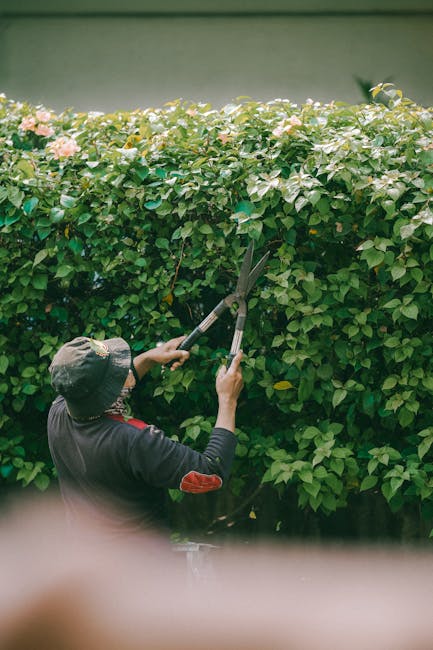
Hedge trimming in Camberwell should be handled with care, consistency and a clear understanding of the shape you want to keep. We provide a focused hedge trimming service for gardens where tidy boundaries, balanced growth and a clean finish matter. Whether a hedge needs a light seasonal tidy or a more detailed reduction to restore definition, the work is planned around the plant type, the existing form and the level of cut needed to keep growth manageable.
Good hedge work is more than simply taking height off. It involves reading the line of the hedge, checking how far it has softened or spread, and deciding where a cut will improve structure without leaving gaps or harsh edges. We can trim formal hedges, informal boundary planting and mixed garden screens, always aiming for a finish that looks deliberate rather than rushed. Shape, thickness and healthy regrowth all matter when the aim is to improve a hedge without weakening it.
For homeowners, landlords and small commercial premises, a well-kept hedge can make the rest of a garden feel more orderly. It can also keep paths, driveways and borders easier to use. If you already know the hedge is overdue, start by telling us the location and the rough length or height of the work. It is often enough to have a clear description first, with further details added once the scope is easier to see.
Regular Hedge Maintenance and Seasonal Cutting
Regular hedge maintenance is useful when you want growth kept within a set outline rather than waiting for a large cut once a year. Frequent trimming can help preserve a neat profile and reduce the amount of corrective work later on. Some hedges respond best to lighter, more frequent attention, while others need a stronger cut only at certain times. The right approach depends on the species, the garden layout and how much the hedge has already grown away from its line.
We can support ongoing hedge care for properties where the hedge frames a front garden, marks a boundary or runs beside a path. In these cases, the emphasis is usually on keeping the hedge even, healthy-looking and practical to live with. Early planning also helps if a hedge includes sections that are denser on one side, taller in one area or affected by previous uneven trimming. That way, the result can be consistent instead of patchy.
What a careful trim can achieve
A well-judged trim can improve light, restore definition and stop the hedge from becoming top-heavy. In broad terms, a maintenance cut should do four things well:
- keep the hedge within the intended shape and boundary line
- reduce untidy extension growth without stripping the plant bare
- encourage a more even outline from one end to the other
- leave the hedge looking cared for rather than overworked
Formal, Informal and Boundary Hedge Shapes

Different hedges need different finishes. A formal hedge often benefits from straight, clean sides and a level top line, especially where it frames the front of a property or defines a walkway. Informal hedges may be better suited to a softer silhouette that follows the garden more naturally. We can trim both styles with attention to proportion so that the hedge suits the setting rather than forcing it into an unsuitable shape.
Some hedges are used as boundary markers and must stay neat from both sides, while others are trimmed mainly for presentation from the garden side. In either case, the cut should support the hedge's role. If a hedge is used for screening, a light but regular trim can help keep coverage while maintaining order. If it is decorative, the finish may need sharper edges and a more precise line. We work to the hedge you have, not to a one-size-fits-all idea of what a hedge ought to be.
For older hedges or hedges that have been left to run, a gentler approach is often safer than taking too much in one visit. The aim is to improve the overall form while keeping the plant capable of recovering well. If you are unsure how far the hedge should be reduced, it is sensible to describe the current state and the look you would like to achieve so the work can be considered properly.
Access, Site Conditions and Practical Preparation
Hedge trimming can be straightforward in an open garden, but access matters when the hedge sits beside fences, narrow side passages or planted beds. It also helps to know whether the hedge can be reached safely from one side only, or whether both sides are available for working. That information affects how the job is approached and what kind of finish is realistic within the space.
When preparing an enquiry, a clear message about the hedge location, approximate height and rough length is useful. If the hedge includes particularly dense sections, awkward corners or nearby features that need care, mention those too. Good descriptions reduce uncertainty and make it easier to discuss the right scope. For more detail about our approach to the wider range of garden work we support, you can see our services overview and decide which areas are relevant to your property.
Useful details to include are the hedge type if known, whether the cut is for tidiness or reduction, and any access limitations that may affect the work. If there are gates, slopes, long runs or fragile planting nearby, it helps to say so at the outset. That kind of practical information supports a more accurate assessment and can save time later when the job is being planned.
Additional Garden Services That Can Support Hedge Work

Many customers want hedge trimming alongside related garden tasks rather than as a standalone visit. Where it is appropriate, we can also help with general garden maintenance that keeps beds, borders and surrounding areas from looking neglected after the hedge is cut. If a hedge sits within a larger garden that needs ongoing attention, combining work can create a more even overall result and help the space feel easier to manage.
Some gardens also benefit from lawn mowing or light clearance around the base of the hedge, particularly where clippings, fallen leaves or overgrowth make the area feel crowded. If you need a broader tidy-up, it may be useful to look at garden maintenance for routine support, or lawn mowing when the hedge is part of a garden that needs the rest of the grass brought back under control as well.
When hedge trimming sits within a wider garden plan
Hedge work often pairs well with wider outdoor improvements. For example, a hedge trim may be followed by clearing clipped material from paths, reducing small areas of overgrowth or refreshing nearby sections of planting. Where a garden is being brought back into shape after a busy season, a linked approach can give a more coherent outcome than tackling each part in isolation. The most suitable combination depends on the condition of the garden and what you want to prioritise first.
Trimming for Property Boundaries and Outdoor Neatness
A hedge can influence the appearance of a front garden, the privacy of a side return or the feel of an outdoor seating area. When it grows unevenly, it can make the whole space seem less ordered. Careful trimming restores the lines that make the garden feel intentional. In practical terms, that can mean keeping the top level, smoothing the faces of the hedge and dealing with overhang where branches start to lean into walkways or neighbouring space.
Where a hedge forms part of a shared boundary, a thoughtful trim is especially important. The work should be done in a way that respects the hedge's role as a screen while avoiding needless damage. If the hedge has been neglected, it may need a staged approach rather than a single severe cut. We can discuss what is sensible for the plant and the result you want, rather than forcing a finish that looks sharp for a moment but is not suitable for the hedge in the longer term.
For properties that need more than trimming alone, related services can be considered alongside the hedge work. Landscape gardening may be relevant when the hedge is part of a larger redesign or when planting, borders and hard surfaces need to work together. If the hedge is simply one part of a garden that has too much to tackle in a single go, a clear plan makes the whole process easier to manage.
How We Approach Hedge Reduction and Reshaping

Reduction work is different from routine tidying. It asks the question of how much growth can be removed while still keeping the hedge balanced, healthy and visually coherent. A hedge that has become too tall or too wide may need careful reduction rather than repeated light cuts. We consider the starting shape, the density of the growth and the plant's ability to recover before any cut is made. That helps avoid a result that looks uneven or overly severe.
Reshaping can also be useful after years of inconsistent trimming. In those cases, one side may have thickened more than the other or the top may have been allowed to wander. The aim is to bring the hedge back towards a clearer outline without creating obvious scars in the process. Not every hedge can be restored in one visit, and good workmanship respects that limitation instead of pretending otherwise. If the hedge needs care over time, a gradual plan is often the most sensible route.
Where appropriate, we may suggest starting with the most visible and problematic parts first so the hedge looks better as a whole while remaining manageable. This can be especially useful where the hedge borders a main entrance, driveway or seating area and the visual effect matters just as much as the practical one. The result should feel measured and reliable rather than hurried.
Where Garden Clearance May Be Helpful
After hedge trimming, some gardens benefit from clearing away cuttings, loose growth and other accumulated material. If the space around the hedge has become cluttered with general green waste or overgrown sections, a more comprehensive tidy-up may be worth considering. Garden clearance is useful when the hedge is part of a wider problem rather than the only item needing attention, especially if the area around it has been left to gather debris over time.
Clearance can also support access before or after hedge work. For example, if pathways are partially blocked or beds are difficult to reach because of surrounding growth, sorting the area out first can make the trimming process cleaner and more efficient. The key is not to overcomplicate the job: some properties only need a hedge cut, while others need the hedge included within a broader tidy-up that addresses the whole area around it.
When you request a quotation, it helps to say whether you need hedge trimming only or whether there is extra material to remove as well. A brief description of the site is usually enough to begin with. If the property also needs tree work or other larger-scale vegetation management, that can be discussed separately as part of the overall plan rather than assumed automatically.
Pricing Factors and Quotation Requests
The cost of hedge trimming is shaped by practical details rather than by a simple fixed rule. Hedge height, length, density, access and the degree of reduction all influence the amount of work involved. A light maintenance trim on an easy-to-reach hedge is different from bringing a tall or neglected hedge back to a better shape. Because of that, a proper quotation should reflect the actual job rather than a rough guess based only on appearance.
If you are asking for a price, send the hedge location within the property, the approximate dimensions and a short note about the finish you want. That can be enough to start a useful conversation. For customers who want to understand how quotations are handled across the wider business, our pricing and quotes page gives a useful overview. Keep the request simple, and we can work from the facts that matter most.
Please get in touch for a quotation if your hedge is due for trimming and you want a clear, practical plan. If you already have photos, measurements or a brief description of the condition, include them with your message. Otherwise, plain details are fine to begin with. We can help you decide whether the hedge needs a tidy, a reshaping or a more involved reduction.
About Camberwell

Camberwell is a district in south London within the London Borough of Southwark, known for a mix of residential streets, civic buildings and longstanding cultural institutions. Its name appears in historical records from the medieval period, and the area developed gradually from a village settlement into part of the expanding metropolis. Today it is closely associated with a varied townscape rather than a single architectural style, with Georgian and Victorian terraces sitting alongside later housing and public buildings. This layering of periods gives the district a varied character that is still visible in its streets and squares. One of the best-known landmarks is Camberwell Green, a focal point for local movement and community life, while nearby Champion Hill and Denmark Hill connect the area to broader routes and transport links. The district also has a notable educational and artistic presence, helped by institutions such as Camberwell College of Arts, which contributes to its creative reputation. Green spaces, small parks and tree-lined streets add further texture, and the local road network links the area to surrounding parts of south London. As a result, Camberwell combines busy urban activity with quieter residential pockets, making it a place with a strong local identity and a long history of adaptation.
Other Outdoor Work Around the Property
Some customers prefer to deal with a few related garden tasks together, especially where a hedge trim reveals other jobs that have been waiting in the background. That might include improving the appearance of a border edge, dealing with uneven growth beside a fence, or addressing areas where the garden has become untidy beyond the hedge itself. A coordinated approach can be more convenient than booking separate visits for every small issue.
If you are planning wider improvements, our landscaping page covers work that sits beyond routine trimming, while decking services may be relevant if the hedge forms part of an outdoor seating or entertaining area that is being updated. We can keep the focus on the hedge while still recognising how it fits into the garden as a whole, which is often what matters most to the customer.
For properties where shrubs, borders and access routes all need attention, hedge trimming is often only one step in restoring order. The most effective plan depends on what is visible now and what matters most to you after the work is completed. A clear conversation at the start usually leads to a better outcome than trying to solve every issue at once.
Getting Started With Your Hedge Trim
Before a quotation is prepared, it helps to think about the result you want. Some customers want a hedge to look neat and uniform, while others mainly want height controlled or overgrowth removed from paths and boundaries. If you know which of those matters most, say so. That guidance makes it easier to suggest a practical scope of work and to avoid overcommitting the hedge to a finish that does not suit it.
If you are arranging work for a home, rental property or business frontage, the same principles apply: describe the hedge, explain the outcome you want and mention anything unusual about access or surrounding features. For background on the company and how we present our work, you can read about us. When you are ready, please request a quotation and we will take it from there.
Whether the job is a straightforward trim or a more considered reshaping, the aim is the same: a hedge that looks maintained, suits the space and is manageable going forward. If that is what you need in Camberwell, send the details and let us know what the hedge is like now and what you would like it to become.