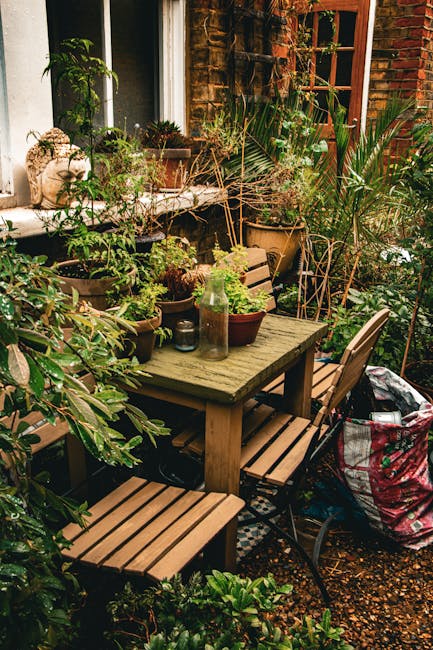
Myatts Fields gardeners for small courtyard transformations
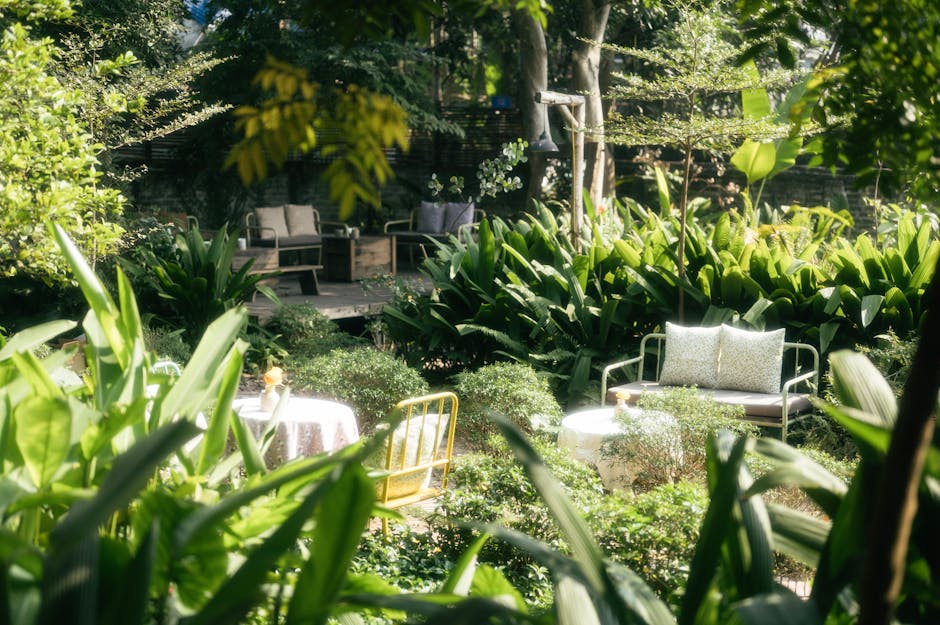
Small courtyards can be brilliant little spaces, but they can also feel awkward, shaded, overlooked, or just plain underused. That is exactly where Myatts Fields gardeners for small courtyard transformations can make a real difference. With the right planting, layout, and hard landscaping choices, even a narrow or forgotten yard can become a calm place for morning coffee, summer evenings, herbs by the door, or a neat space that feels a lot bigger than it is.
Truth be told, courtyard gardens rarely need more space. They need better decisions. A good gardener reads the light, the drainage, the privacy issues, and the way you actually use the area. Then they shape a plan that suits London living: compact, practical, and easy to keep looking good. In this guide, we'll walk through how small courtyard transformations work, what to expect, the mistakes to avoid, and how to choose the right approach for your own Myatts Fields home.
Whether your courtyard is a paved patch outside a flat, a tucked-away rear garden, or a split-level space that never quite felt finished, the aim is the same: make it feel intentional. Not fussy. Not overdone. Just right.
- Why it matters
- How the transformation process works
- Benefits and practical advantages
- Who it is for
- Step-by-step guidance
- Expert tips for better results
- Common mistakes to avoid
- Tools, resources and recommendations
- Law, compliance and best practice
- Options and comparison table
- Case study example
- Practical checklist
- Conclusion
- Frequently asked questions
Why Myatts Fields gardeners for small courtyard transformations Matters
Small courtyards can be deceptively difficult. They often sit between walls, fences, extensions, and neighbour boundaries, which means light levels, airflow, and access all matter more than they would in a bigger garden. If you simply add a few pots and hope for the best, the result can look cluttered rather than designed.
That is why specialist gardeners matter. They know how to work with tight dimensions, and they understand that a courtyard needs structure. A narrow seating run, a raised planter, a trellis with climbing plants, or a compact tree in the right spot can change the whole feel of the space. Suddenly it is not a leftover area. It is a room outdoors.
In Myatts Fields, many homes have the kind of outside space where practical choices pay off fast. Light can be patchy. Privacy can be tricky. Surfaces may be tired. And yes, sometimes the drain cover sits exactly where you wish it didn't. A skilled gardener treats those constraints as design clues, not problems.
There is also a bigger reason this matters: a courtyard transformation affects how you use your home day to day. A tidy, well-planned outdoor space encourages you to step outside more often, water your herbs, sit for ten minutes after work, or invite people over without feeling a bit apologetic about the garden. That sounds small. It isn't.
If you are exploring broader support for outdoor spaces, it can help to look at related services such as garden maintenance services and professional landscaping solutions, because courtyard projects often benefit from both design and ongoing care.
How Myatts Fields gardeners for small courtyard transformations Works
The process usually starts with a site visit or a detailed discussion about the courtyard's current condition, what you want it to do, and what gets in the way. That sounds obvious, but it is the bit people skip most often. A courtyard that needs shade-loving planting, for example, is a different job from one that bakes in afternoon sun.
From there, the gardener will usually assess a handful of practical factors:
- how much direct and reflected light the space receives
- where water gathers after rain
- how much storage or seating you need
- how private the courtyard feels from windows or neighbouring properties
- the condition of existing paving, brickwork, or fencing
- which plants will actually thrive, not just look good for a week
Then comes the transformation plan. For small courtyards, that often means creating zones. One area may be for sitting. Another may be for planting. Another might be a visual focal point, like a sculptural pot or a slim water feature. The best designs feel calm, not crowded. There is a difference, and you can spot it immediately.
Depending on scope, the work may include re-levelled paving, fresh planting, planters built to fit a specific width, low-voltage lighting, new edging, or vertical planting to make use of wall space. In some projects, the emphasis is mainly horticultural. In others, the hard landscaping does most of the heavy lifting. Often it is a mix of the two.
If the space needs repairs before any design work begins, a local team may coordinate groundwork, debris removal, or fencing updates. You can also find helpful related information through pages like garden fencing options and tree surgery and careful pruning when the courtyard is affected by overlooked boundaries, overgrown trees, or damaged screening.
Key Benefits and Practical Advantages
A well-executed courtyard makeover does more than improve appearances. It changes how manageable the space feels, which is a big deal in a city setting where time is limited and outdoor space is at a premium.
Here are the main benefits people usually notice first:
- Better use of limited space. Every square metre has a purpose, so the garden feels intentional rather than squeezed in.
- Lower maintenance. Sensible planting and surfaces reduce the weekly faff. Let's face it, nobody wants a garden that eats every Sunday.
- Improved privacy. Screening, climbing plants, and layout choices can make a courtyard feel much more secluded.
- Stronger visual impact. A few high-quality features usually beat lots of small, disconnected ones.
- Year-round usability. With the right mix of evergreens, structure, and lighting, the courtyard looks presentable even in winter.
- Better atmosphere. Small changes in texture, scent, and colour can make the space feel calmer and more welcoming.
There is also a practical lifestyle benefit that people often underestimate. If a courtyard is tidy, accessible, and easy to maintain, you will use it more. You might not "go out to the garden" in the grand sense. You will just slip outside with a cup of tea, or water the planter before heading to work. That habit matters. It changes how the home feels.
Expert summary: In a small courtyard, the best transformation is rarely the biggest one. It is the one that balances structure, planting, and maintenance so the space stays attractive after the initial excitement has passed.
Who This Is For and When It Makes Sense
This kind of work is ideal for homeowners, renters with permission, landlords, and property managers who want a small outdoor area to work harder without becoming a burden. It also suits anyone who has tried the do-it-yourself route and ended up with a few mismatched pots, a patchy lawn substitute, and that vague feeling of "we'll sort it later."
It makes particular sense if your courtyard:
- is small, shaded, or enclosed
- has more paving than planting
- feels overlooked or exposed
- needs better drainage or easier access
- needs to be child-friendly, pet-friendly, or low-maintenance
- has been sitting unfinished since a move, renovation, or extension
It is also a sensible option if you want to improve kerb appeal or add value in a modest, visual sense. We should be careful here: not every courtyard makeover will transform property value in a measurable way, and that depends on many factors. But a neat, attractive, usable outdoor space certainly helps a home feel more complete.
If you are comparing levels of help, you might only need a planting refresh and seasonal tidy-up. Or you may need a full redesign with paving, screening, and bed construction. A local gardener should be able to tell you which is which, and more importantly, when to stop before things become overcomplicated. Small spaces punish overconfidence. A lot.
Step-by-Step Guidance
Below is a practical way to think about a courtyard transformation from start to finish. Not every project follows this exact order, but it is a useful framework.
-
Measure and observe the space properly.
Spend time looking at the courtyard at different points in the day. Morning light, late afternoon shade, and wet patches after rain all tell you something. A five-minute glance won't do it.
-
Decide what the garden must do.
Do you want seating for two, storage for bikes, a place for herbs, or a soft green view from the kitchen window? That decision should drive the layout, not the other way round.
-
Clear, repair, and prepare.
Old pots, dead planting, broken slabs, and poor drainage need addressing before the pretty part begins. It's not glamorous, but it saves trouble later.
-
Choose the structure first.
Think paving, steps, raised beds, trellis, screens, and edging. These elements create the bones of the design.
-
Add planting with purpose.
Use a mix of evergreen structure, seasonal colour, and texture. In small courtyards, foliage often matters more than flowers alone.
-
Finish with detail.
Lighting, pots, a bench, or a simple water bowl can lift the whole scheme. Small details carry a surprising amount of weight in compact spaces.
-
Plan for maintenance from day one.
If the garden needs weekly fussing to look good, it probably won't stay good. Choose systems you can keep up with.
A good rule of thumb? Start with the least amount of change needed to solve the main problem. You can always add more later. In fact, that is often the smarter route.
Expert Tips for Better Results
Small courtyard design rewards restraint. If everything is trying to shout, nothing gets heard. That is especially true in Myatts Fields where many outdoor spaces are bounded by brick, fences, and neighbouring windows, so texture and proportion do a lot of heavy lifting.
Use vertical space intelligently
When floor area is limited, walls become valuable. Trellis, climbing plants, wall-mounted planters, and narrow shelving can add softness without stealing space. The trick is not to cover every surface. Leave some breathing room.
Pick plants that suit the conditions, not the mood board
It is tempting to choose plants from a lovely picture, but the courtyard's light and moisture levels matter more. Shade-tolerant plants, drought-resistant selections for warm paved areas, and compact forms are often the safest bet. A gardener worth listening to will speak plainly about what will survive and what will sulk.
Think in layers
A strong courtyard scheme usually has a canopy or upper layer, a mid-layer of shrubs or climbers, and a lower layer of ground planting or containers. That layered effect helps a small space feel richer and more complete.
Make maintenance decisions early
Ask how often the plants will need feeding, trimming, watering, or dividing. If you travel a lot or simply don't want a high-drama garden, say so. There's no prize for choosing the fussiest plant in the catalogue.
Use texture, not just colour
Grey paving, glossy leaves, pale timber, and matte terracotta can create a balanced look even when flowering is minimal. This is especially useful in winter, when colour can disappear for weeks at a time.
Keep one focal point
One bench, one feature pot, one sculptural plant, or one clean line of planting can anchor the whole design. Too many focal points and the eye keeps wandering. A courtyard needs a bit of discipline.
For ongoing care, it may help to arrange reliable seasonal support through regular garden maintenance or more specialist help like pruning and reshaping services where shrubs, climbers, or boundary plants need a tidy hand.
Common Mistakes to Avoid
Some courtyard mistakes are small on paper but annoying in real life. Others cost time and money to fix. Here are the ones that crop up again and again.
- Overfilling the space. Too many pots, too many materials, too many ideas. The courtyard ends up feeling busy rather than beautiful.
- Ignoring drainage. Water pooling under planters or against paving can lead to damp, staining, or plant decline.
- Choosing thirsty plants for a hot paved area. They look great for a moment and then struggle. Not ideal.
- Forgetting maintenance access. If you cannot reach the back wall or a planter, cleaning and pruning become a nuisance.
- Using cheap materials where durability matters. In a small garden, wear and tear is very visible.
- Skipping structure. Without a clear layout, the space can feel like a collection of objects rather than a garden.
One subtle mistake is aiming for a "finished" look that only works in summer. Small courtyards should still look decent in February. Maybe not glossy-magazine perfect, to be fair, but decent. Evergreen structure and sturdy materials help with that a lot.
Another common issue is not asking how the space will be used in the rain. London weather has a sense of humour. A beautiful seating area that turns slippery or soggy is not really a win.
Tools, Resources and Recommendations
A courtyard transformation may involve hand tools, but it also relies on planning tools and good product choices. The best gardeners often keep things simple and reliable rather than exotic.
Useful tools
- measuring tape and notepad
- spade, fork, and hand trowel
- pruning shears and secateurs
- spirit level for edging and planters
- garden hose or watering cans for young plants
- gloves, rubble sacks, and a sturdy wheelbarrow if access allows
Useful resources to consider
Depending on the project, you may want support with broader landscaping, planting plans, fences, hedges, or tree work. Pages such as hedge trimming services and garden clearance can be useful when the courtyard begins with an overgrown or cluttered starting point.
If your project includes outdoor structures or more substantial changes, it is wise to ask about materials, access, waste removal, and how the work will be phased. In a tight London courtyard, logistics can matter as much as design. Honestly, sometimes more.
Law, Compliance, Standards, or Best Practice
Most small courtyard transformations are straightforward, but it is still sensible to keep basic UK best practice in mind. The details depend on the property, the work being done, and whether the courtyard is part of a shared building, leasehold arrangement, or conservation area.
Here are the key points to consider carefully:
- Shared access and boundaries: If the courtyard is communal or near neighbouring property lines, agree access and boundaries before any significant work begins.
- Drainage and water run-off: Avoid creating problems for nearby properties by redirecting water carelessly.
- Tree and hedge work: Larger plants or boundary trees may be subject to separate permissions or agreements, depending on their location and status.
- Leasehold or managed property rules: Flat owners and tenants may need consent before altering hard landscaping, fences, or fixed structures.
- Waste disposal: Debris, soil, and removed materials should be handled responsibly, especially where access is tight.
It is also good practice to use durable, suitable materials and to avoid designs that create trip hazards, blocked access, or awkward drainage. If you are unsure, ask early. A decent local gardener will not just rush in with a wheelbarrow and optimism. They'll check first.
For more information on maintenance expectations and outdoor care standards, you may also find garden FAQs and service guidance useful when planning a job that needs clarity around timing, access, and aftercare.
Options, Methods, or Comparison Table
There is no single right way to transform a courtyard. The right method depends on budget, condition, and how much change you actually want. This table gives a simple comparison of common approaches.
| Approach | Best for | Pros | Watch-outs |
|---|---|---|---|
| Plant refresh only | Spaces with decent paving but tired planting | Fast, lower disruption, often good value | Won't solve layout or drainage issues |
| Soft landscaping with containers and screening | Courtyards needing atmosphere and privacy | Flexible, stylish, easier to phase | Requires ongoing watering and occasional rearranging |
| Full transformation | Spaces with poor layout, worn surfaces, or no clear use | Most dramatic improvement, better long-term function | Higher cost, more planning, more disruption |
| Low-maintenance redesign | Busy households or landlords | Simple to maintain, reliable appearance | Can look too sparse if not designed carefully |
If you are unsure, a good middle ground is often the smartest choice: improve the structure, refresh the planting, and leave room for future tweaks. Small spaces like to evolve. They really do.
Case Study or Real-World Example
Here is a realistic example of how a small courtyard transformation might unfold in Myatts Fields.
A homeowner has a compact rear courtyard with tired paving, a blank fence, and a couple of pots that have seen better days. The space is technically usable, but it feels exposed and unfinished. There is enough room for a small bistro set, but not much else. Every time they look out of the kitchen, they see a grey rectangle and think, "We should do something about that."
The transformation starts with a tidy-up and a practical assessment. The paving is cleaned, an uneven section is repaired, and the layout is adjusted so a narrow seating zone sits closer to the door. A slim raised planter is installed against one wall, with climbing evergreen structure to soften the fence. Shade-tolerant plants are used where the light is patchy, while a few tougher container plants bring height and year-round shape.
A small wall light and one feature pot finish the space. Nothing flashy. No gimmicks. But the result is calmer, greener, and much more inviting. By late afternoon, the courtyard catches a little warm light and the planting does what good planting should do: it makes the hard surfaces feel less hard.
The homeowner now uses the space for breakfast on dry mornings and for a quiet sit-down in the evening. That's the real goal, isn't it? A garden that gets used.
Practical Checklist
Use this checklist before you begin or brief a gardener. It will save time and help the project stay focused.
- Measure the courtyard accurately
- Note sun, shade, and wet areas across the day
- Decide the main function: seating, planting, screening, storage, or all four
- Check access for materials and waste removal
- Identify any drainage issues or uneven paving
- Confirm whether the space is private, shared, leasehold, or managed
- Choose a maintenance level you can realistically keep up with
- Ask for plant suggestions matched to light conditions
- Think about privacy from neighbouring windows or balconies
- Plan at least one focal point so the space feels deliberate
- Leave some room for movement and cleaning access
- Review the plan in both day and evening light if possible
Quick takeaway: if the space is small, every item has to earn its place. That simple filter keeps the design clean and the budget under control.
Conclusion
Small courtyard gardens can be quietly brilliant. They do not need to be large to feel special, and they certainly do not need to be complicated. With the right planning, materials, and planting choices, Myatts Fields gardeners for small courtyard transformations can turn a cramped, plain, or underused outdoor area into somewhere you actually want to spend time.
The best results come from clear priorities: good structure, appropriate plants, manageable upkeep, and a layout that suits your real life. Not the fantasy version of your life. The real one, with school runs, work calls, wet Saturdays, and everything else in between.
If you are ready to make a small courtyard feel calmer, greener, and much more usable, start with a conversation about what the space needs most. The right plan can turn a tight corner of London into a place with real charm, and that is worth doing properly.
Get a free quote today and see how much you can save.
Frequently Asked Questions
What do Myatts Fields gardeners do for small courtyard transformations?
They assess the space, improve the layout, choose suitable plants, and add practical features such as paving, screening, edging, lighting, or planters. The goal is to make the courtyard attractive and usable without wasting space.
How do I make a very small courtyard look bigger?
Use lighter materials, vertical planting, a simple layout, and fewer but better-quality features. Keeping the design cohesive usually makes the biggest difference. Mirrors can work in some settings, but they need careful placement.
What plants work well in a shaded courtyard?
Shade-tolerant plants, ferns, ivy, hellebores, hostas, and compact evergreen shrubs are often good candidates, depending on the exact light and soil conditions. A gardener should match the plants to the courtyard rather than forcing sun-loving plants into a dim space.
Can a courtyard be low-maintenance and still look good?
Yes. The trick is choosing the right structure and plants from the start. Evergreen planting, durable surfaces, and a limited number of well-placed containers can keep the space tidy with far less effort.
How long does a small courtyard transformation usually take?
That depends on scope. A planting refresh may be quick, while a full redesign with paving or drainage adjustments will take longer. Access, weather, and material availability can also affect the timetable.
Is it worth hiring a professional gardener for a small courtyard?
Usually, yes, if you want the space to feel designed rather than improvised. A professional brings plant knowledge, spatial judgement, and practical experience with awkward layouts and drainage issues.
What is the biggest mistake people make with courtyard gardens?
Overcrowding the space. Too many pots, colours, or features can make a small courtyard feel smaller. A calmer, more restrained design often works better.
Do I need planning permission for a courtyard makeover?
Often, simple garden changes do not require planning permission, but this depends on the property, the work, and local rules. If you are changing structures, boundaries, or working within a leasehold or managed property, it is sensible to check first.
How much maintenance will a transformed courtyard need?
That depends on the planting and materials chosen. A good design should match the level of care you can realistically provide. Some courtyards need only seasonal pruning and light tidying; others need more regular attention.
Can a courtyard garden improve privacy?
Yes. Screening, climbing plants, trellis, and carefully positioned planting can make a courtyard feel much more secluded. The best privacy solutions are the ones that look integrated, not tacked on.
What should I ask before booking a courtyard garden project?
Ask about the proposed layout, plant choices, drainage concerns, access for materials, estimated maintenance needs, and how the work will be phased. It also helps to ask what can be reused and what truly needs replacing.
What is the best first step if my courtyard feels unusable?
Start with a proper assessment of the space. Measure it, note the light, identify drainage issues, and decide what you want it to do. Once those basics are clear, the transformation becomes much easier to shape.
Are courtyard transformations suitable for rental properties?
They can be, as long as any permanent changes are allowed and the design remains practical for future upkeep. For rentals, simple and durable improvements are usually the safest approach.
Can I transform a courtyard in stages?
Absolutely. In fact, staged work is often the smartest approach. You can start with cleaning, repairs, and planting structure, then add lighting, seating, or decorative features later when the space has settled.
What makes a courtyard transformation feel truly finished?
A sense of balance. The space should have a clear purpose, a few strong focal points, and planting that suits the conditions. When the design feels calm and easy to live with, that is usually the sign it's been done well.